Roblox Isn’t Child’s Play Anymore: Inside the MDL That Shocked Everyone: From Parents to Kim Kardashian
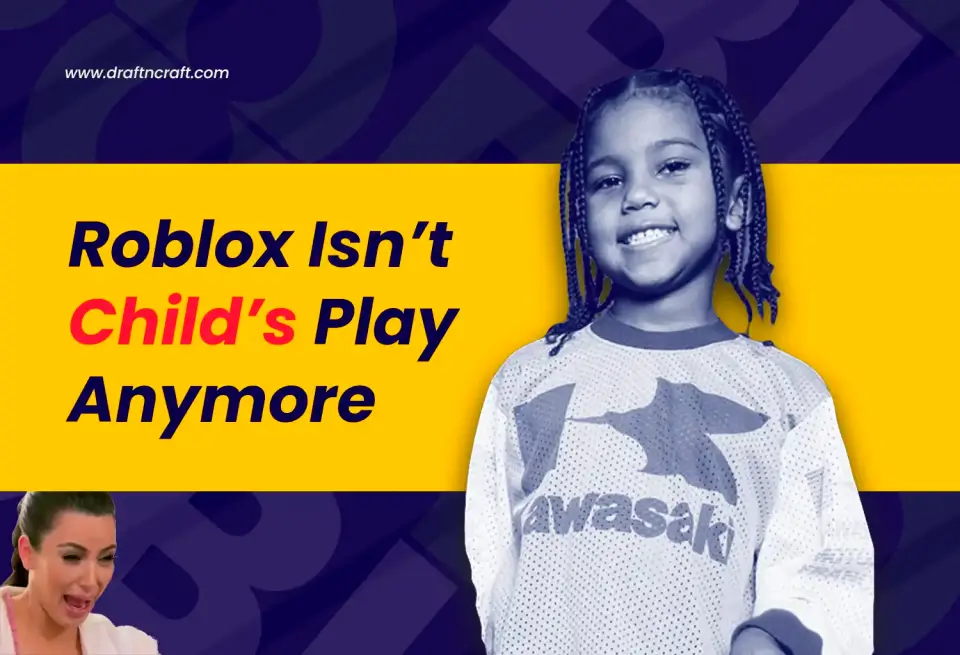
When Play turns Predatory
To understand why this litigation has teeth, one must look at real incidents and reports that turned alarm bells on.
Roblox began in 2006 as a simple idea, a digital sandbox where kids could build, create, and play. Think of it as a mix between Lego and YouTube: users don’t just play games, they create them using Roblox Studio.
It became a virtual playground for over 200 million monthly users, with more than half under the age of 13.
For many parents, Roblox was “safe screen time.” Kids weren’t watching videos they were coding, designing, and interacting. But as the platform’s size exploded, so did its shadows.
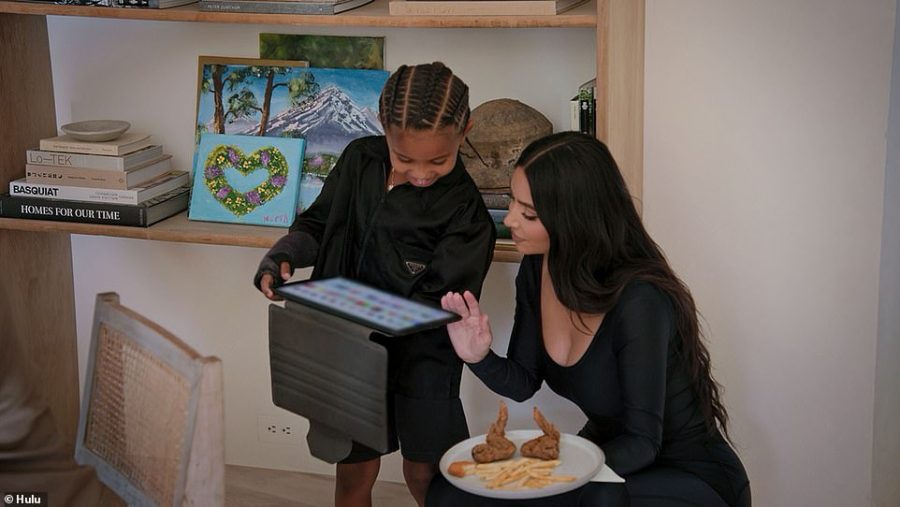

In April 2022, Kim Kardashian’s six-year-old son, Saint West, was playing a Roblox game when an ad popped up featuring her image and text promising “unreleased footage” from her 2007 sex tape
The boy, curious and unsuspecting, turns the screen toward his mother, Kim herself who’s at a family lunch, cameras rolling for her Hulu show The Kardashians.
It wasn’t fiction. It happened, and it exposed one of the most alarming cracks in the digital playground that millions of kids roam freely every day.
Kim, shocked, confronted the developers and Roblox, tore into the moderation failure, and signaled she may sue if her name or likeness were misused again.
Roblox responded by saying no actual video appeared, and that their policies prohibit such content.
That viral moment wasn’t just pop-culture drama, it became a warning sign.
Behind the laughter, avatars, and virtual currencies, Roblox was harboring darker realities.
Now, those concerns have escalated into a full-blown legal storm, the Roblox MDL (Multidistrict Litigation), a consolidated series of lawsuits alleging that Roblox has failed to protect minors from grooming, explicit content, predatory ads, and psychological harm.
For attorneys, the Kardashian episode is a vivid storyline: “What if this happened to you or your client?” It becomes a PR anchor and cautionary tale.
It pressured Roblox to respond publicly, adjust moderation, ban developers, and tighten ad rules around celebrity content.
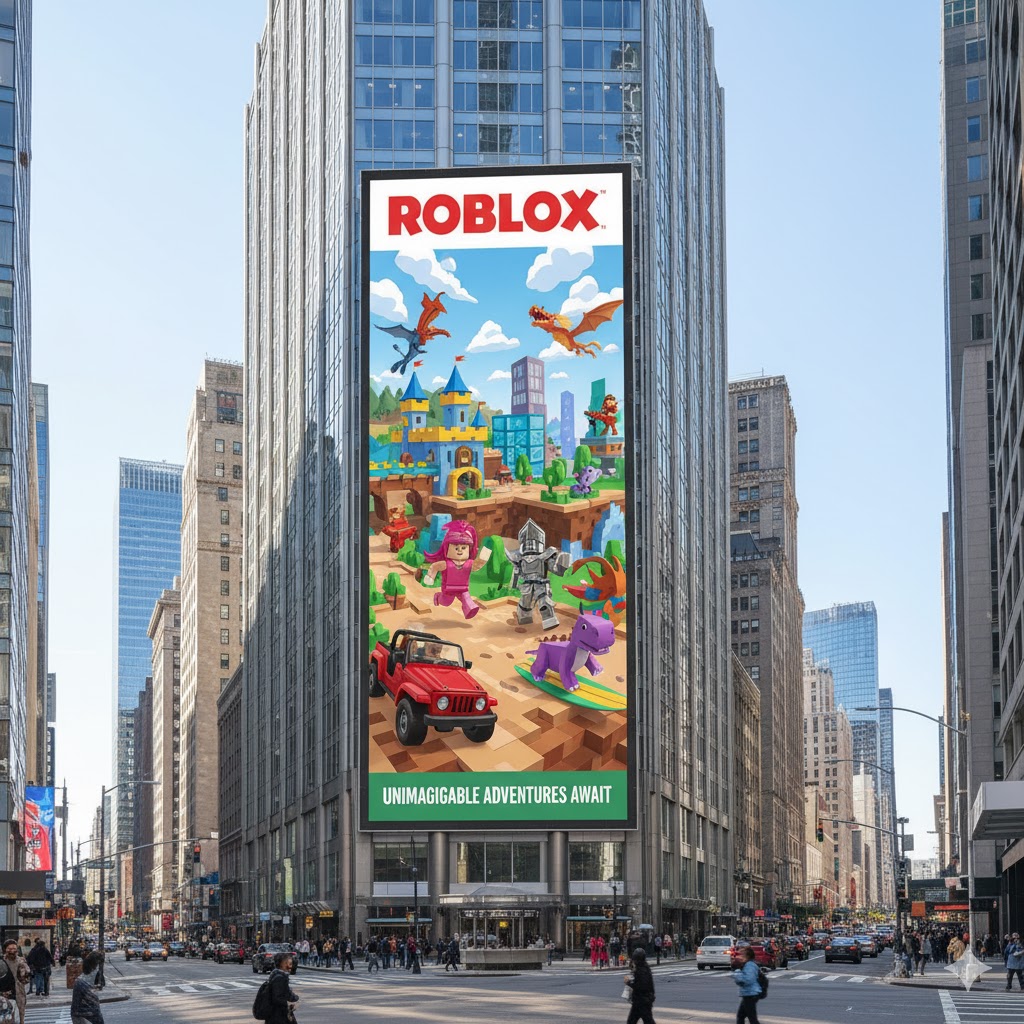
The Dark Side: Horrors That Surfaced on Roblox
Adult–Minor Communication & Grooming
- Researchers found that children as young as five could communicate with adults on Roblox, despite claimed age controls.
- Some adults posed as peers, initiated private chat or off-platform shifts (e.g. to Discord or messaging apps), and coerced minors into explicit content or further contact.
Kidnapping & Physical Harm
- The “Child safety on Roblox” page cites at least one 13-year-old who was kidnapped after being groomed via Roblox.
- Since 2018, at least 30 people in the U.S. have been arrested for abducting or sexually abusing children they groomed via Roblox.
Psychological and Addictive Harm
- Several lawsuits allege Roblox was intentionally designed to be addictive.
- Children and teens playing excessively have been linked with depression, anxiety, or worse. One case mentions a teenager (15) taking his own life after being sexually exploited via Roblox.
Predatory Ads & Misuse of Celebrity Likeness
- The Kim Kardashian incident is a prime example: misuse of a celebrity’s image in child-targeted ads promising explicit content.
- Some games/ad networks include misleading or exploitative ads that lure minors to click inappropriate content.
Platform Moderation Struggles & “Silent Failures”
- Moderation at scale fails,content slips through filters; human moderators are overwhelmed.
- Slow response times to deletion or appeals.
- Cases where whistleblowers or “vigilante” watchdogs tried to expose predators were banned or suppressed by Roblox. For instance, the YouTuber “Schlep” (who exposed predators) was banned.
All these show that the danger is not hypothetical, these are real harms, suffering, and legal exposures.
What started as scattered complaints began to form a pattern one that attorneys couldn’t ignore.
What Every Reader (Parent, Attorney, User) Must Know
- Roblox is no longer just a game it’s a legal battleground around child safety, platform accountability, and digital harm.
- The MDL aims to centralize claims of grooming, exploitation, negligence, psychological harm, and platform misconduct.
- Even before major rulings, Roblox has announced and is implementing new safety reforms (age verification, chat limits, content labeling).
- The outcome may set precedents for how all child-oriented platforms handle moderation, duty, liability, and design choices.
- For parents: understand and use parental controls, monitor ads and games, engage in conversation with kids about what they see, teach caution about clicking uncertain links or trusting “strangers” in games.
- For attorneys or advocates: watch the MDL closely, be ready for cross-border or local claims, and think not only about damages but systemic reform (injunctive relief, transparency, regulatory push).
- For platform designers/investors: the risk is existential. Weak safety models, opaque moderation, or slow responses may invite not only lawsuits but regulation, consumer backlash, and reputational loss.
Current Status: The Legal Storm Builds
As of now, the Roblox MDL is in the early procedural phase, with multiple cases centralized to streamline discovery and establish shared evidence frameworks.
Key focuses include:
- Examining Roblox’s internal moderation systems.
- Reviewing complaint handling and parental controls.
- Investigating the financial structures behind in-game purchases.
The outcomes could set powerful precedents, similar to what happened with Meta and TikTok lawsuits over child safety and addictive design.
If the MDL moves forward to trial, it could force Roblox to overhaul its safety protocols, age-verification mechanisms, and ad monetization strategies.
What Lies Ahead
The Roblox MDL represents something much bigger than one company.
It’s a test of how far digital platforms must go to protect children in a world where entertainment, socialization, and monetization are intertwined.
If successful, plaintiffs could push for new safety regulations, transparency in algorithmic moderation, and accountability for the content children are exposed to.
If Roblox prevails, it could reinforce the “platform immunity” shield that many tech companies rely on under Section 230.
Either way, this case will set the tone for the next decade of child safety litigation in digital spaces.
Roblox was built as a world where imagination rules. But as the platform grew, so did its risks, turning creativity into chaos for some families.
It started with a child’s screen and a mother’s shock.
Now it’s in the hands of the courts.
Playtime is over, and accountability has just logged in.