
Paraquat: The Deadliest Weed Killer on Earth —Science, Litigation, and the Growing Parkinson’s MDL
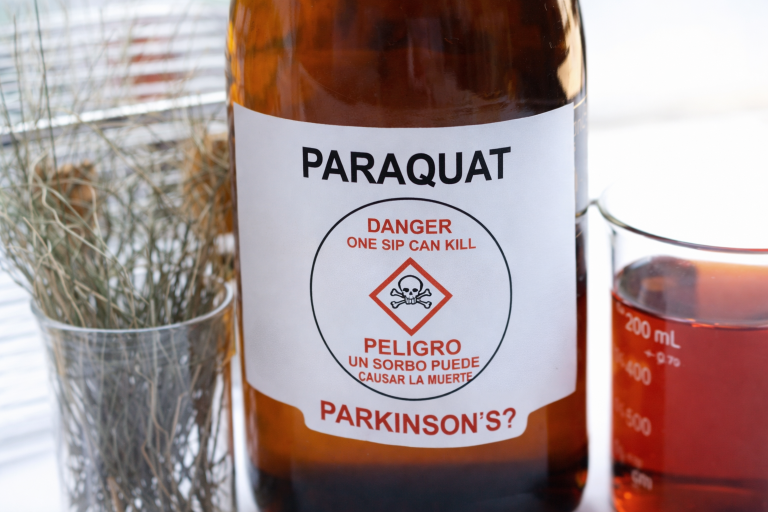
Paraquat dichloride is one of the most toxic herbicides still in commercial use. Marketed primarily under the brand name Gramoxone, paraquat is widely used in U.S. agriculture for weed control and crop desiccation, yet it carries one of the most severe toxicity profiles of any pesticide approved for use.
Often described as “lethal by label,” paraquat is infamous for warnings such as “ONE SIP CAN KILL.” Even small accidental exposures can result in fatal poisoning. While regulators emphasize its acute toxicity, a growing body of scientific research and litigation now focuses on a deeper concern: its potential link to Parkinson’s disease.
The Federal Paraquat MDL: Lawsuits Linked to Parkinson’s Disease
Thousands of lawsuits have now been consolidated in the Federal Paraquat Multidistrict Litigation (MDL) in the U.S. District Court for the Southern District of Illinois (East St. Louis), overseen by Chief Judge Nancy J. Rosenstengel.
As of early 2026, approximately 6,000+ Parkinson’srelated lawsuits are pending against major manufacturers and distributors, including Syngenta, Chevron, and Chevron Phillips.
Plaintiffs, many of whom are farmers, agricultural workers, pesticide applicators, and rural residents, allege that longterm paraquat exposure increased their risk of developing Parkinson’s disease, and that manufacturers failed to adequately warn users of chronic neurological dangers.
What Is Paraquat and Why Is It So Dangerous?
Paraquat is a fastacting, nonselective herbicide that kills plants on contact by disrupting photosynthesis and generating destructive free radicals that damage plant cells.
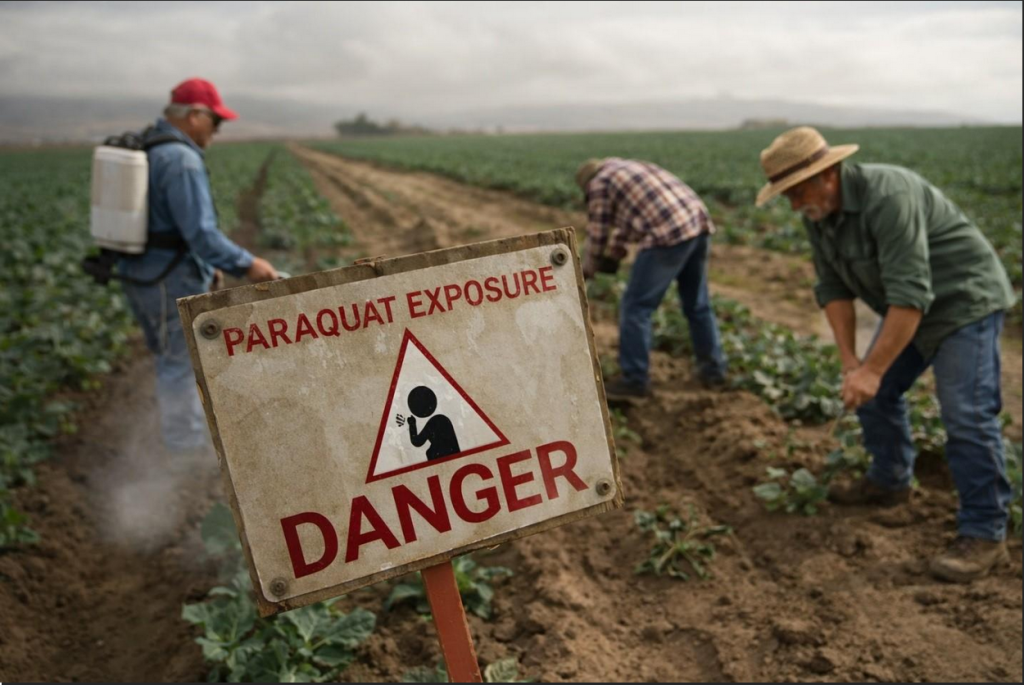
That same mechanism makes paraquat highly toxic to humans. Exposure, whether through ingestion, inhalation, or skin contact, can lead to severe organ damage, respiratory failure, and death.
Despite these risks, paraquat remains legal in the United States, even though it has been banned in more than 70 countries, including the European Union and the United Kingdom.


Scientific Evidence: Paraquat and Parkinson’s Risk
Scientific concern surrounding paraquat extends beyond immediate poisoning.
A widely cited 2011 study reported that individuals exposed to paraquat had approximately a 2.5fold increased risk of developing Parkinson’s disease.
Researchers point to several biological mechanisms that may explain this association, including:
- Oxidative stress that damages dopamineproducing neurons
- Mitochondrial dysfunction in brain cells
- Structural similarity between paraquat and MPP⁺, a neurotoxin known to cause parkinsonism
Parkinson’s disease is a progressive neurological disorder caused by the loss of dopamineproducing neurons in the brain. By the time symptoms appear, 60–80% of these neurons may already be destroyed, limiting the ability to reverse damage.
While regulators state that a definitive causal link has not yet been formally established, plaintiffs argue that the totality of scientific evidence supports causation, a central issue in ongoing litigation.

What Paraquat Labels Warn — and What They Don’t
Paraquat product labels strongly emphasize acute poisoning risk, including:
- DANGER / POISON signal words
- Prominent “ONE SIP CAN KILL” warnings
- Strict personal protective equipment (PPE) requirements
- Emergency medical instructions for poisoning
However, current labels do not warn users about:
- Parkinson’s disease risk
- Chronic neurological harm
- Longterm exposure effects
- Potential damage to the brain and nervous system
Lawsuits argue that this omission prevented workers and communities from understanding the full scope of potential harm.
Scale of Paraquat Use in the United States
Despite its toxicity, paraquat remains widely applied in American agriculture. An estimated 10 million pounds are used annually on crops such as:
- Soybeans
- Corn
- Cotton
- Wheat
- Peanuts
- Almonds
- Citrus
- Grapes
- Sweet potatoes
- Strawberries
As reported agricultural use continues to grow, so does concern about occupational, environmental, and communitylevel exposure.

The Legal & Scientific Debate
The paraquat litigation sits at the intersection of toxicology, neuroscience, regulatory policy, and mass tort law.
Some studies support an association between paraquat exposure and Parkinson’s disease, while others present mixed or inconclusive findings. Regulators maintain that they have not found a “clear link,” but plaintiffs contend that manufacturers ignored emerging scientific warnings and failed to update safety disclosures.
At the core of the lawsuits is a critical question: Should companies have warned users about longterm neurological risks, even amid scientific debate?

How Draft n Craft Supports Attorneys Handling Paraquat MDL Cases
Paraquat litigation is evidenceintensive, medically complex, and intakeheavy. Law firms managing large dockets require scalable, litigationready support to keep cases moving efficiently.
Draft n Craft partners with plaintiff firms to strengthen ParaquatParkinson’s litigation through:
- Mass tort intake, screening & eligibility qualification
- Exposure history documentation (occupational, agricultural & environmental)
- Medical record retrieval, review & Parkinson’s chronology building
- Plaintiff Fact Sheet (PFS) support & MDLcompliant case preparation
- Medical summaries & causationfocused record organization
- Dedicated Remote Paralegals (DRPs) for docket management & discovery support
- Case tracking, workflow coordination & litigation operations support
Designed for highvolume toxic tort practices, Draft n Craft helps attorneys reduce internal workload, accelerate case readiness, and scale Paraquat MDL litigation with confidence.
Explore Today– Mass Tort Support Solution/