
Ozempic’s Dark Side: Stomach Paralysis at the Heart of Lawsuits
Ozempic, a drug made by Novo Nordisk (a global pharmaceutical company based in Denmark), was approved by the U.S. FDA in 2017 to help adults with type 2 diabetes control blood sugar. Its main ingredient, semaglutide, also reduces appetite and slows digestion, which led to it being widely prescribed off-label for weight loss.

But as more people started taking it, especially those without diabetes, reports of serious stomach and gallbladder problems began to surface. These include:
- Gastroparesis (stomach paralysis)
- Gallbladder disease (sometimes requiring surgery)
- Severe vomiting, diarrhea, and constipation
- Bowel blockages
- Rare vision problems like optic nerve damage
These side effects have sparked thousands of lawsuits against Novo Nordisk (and in some cases, Eli Lilly, maker of similar drugs).
How the Lawsuits Started
The first case linking Ozempic to gastroparesis was filed in August 2023. More followed quickly, with patients claiming they were not properly warned about the risks. Many say they ended up in the hospital, needed gallbladder removal, or suffered long-term digestive damage.
What the Cases Claim
The lawsuits generally argue:
- Failure to Warn – The drug’s labels did not clearly state the risks of severe stomach paralysis.
- Misrepresentation – Marketing focused on benefits like weight loss while downplaying or ignoring serious side effects.
- Defective Design – High doses (like those in weight loss regimens) were not adequately tested for safety.
From Individual Cases to a Mass Tort (MDL 3094)
In February 2024, the U.S. Judicial Panel on Multidistrict Litigation combined similar lawsuits into one multidistrict litigation (MDL) in the Eastern District of Pennsylvania. This means one judge, Judge Marston now handles pretrial proceedings for all federal cases to speed things up and avoid inconsistent rulings.
Recent Developments
- Evidence Hurdles: Judge Marston ruled that plaintiffs must provide objective medical proof of gastroparesis (like diagnostic test results) before their claims can move forward, symptoms alone aren’t enough.
- Case Growth: By mid-2025, over 10,000 cases were part of the MDL.
- Scientific Support: Plaintiffs are citing new studies showing the drugs’ real-world risks were known or should have been before marketing them so widely.
- FDA Involvement: While the FDA hasn’t issued a “black box” warning for semaglutide, it has updated side effect lists and urged reporting of adverse reactions.
When Public Figures Talk GLP-1 Drugs, Fame Meets the Trend, Spotlight Explodes
Celebrity endorsements and social media posts greatly amplified public interest and off-label use of these drugs:
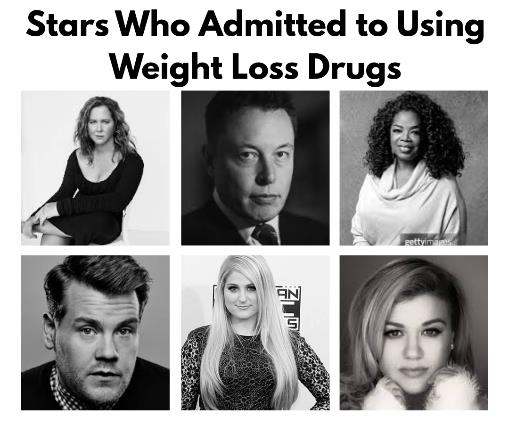
- Amy Schumer revealed she tried Ozempic but switched due to extreme nausea (connected to a genetic condition), later using Mounjaro to manage her weight more comfortably.
- Elon Musk, posting a photo as “Ozempic Santa,” revealed he was actually using Mounjaro (a similar GLP-1 drug), citing fewer side effects and better weight-loss results. He’s since supported wider, affordable access to these medications.
- Rosie O’Donnell shared via TikTok that she’s on Mounjaro for diabetes, noting significant weight loss and a surprising fit-shift from XL to L.
- Meghan Trainor has openly discussed using these medications while combining gym workouts and healthy eating, saying “I feel amazing… this thing is incredible.”
- Oprah Winfrey, on her podcast, reflected that taking a GLP-1 drug taught her that “thin people aren’t using super-human willpower” they simply don’t feel hungry in the same way.
To sum it up
The Ozempic lawsuits are not just about one drug they’re about the balance between innovation, aggressive marketing, and patient safety. For lawyers, it’s a major case study in pharmaceutical liability. For the public, it’s a reminder to weigh risks before following the latest health trend.
This litigation is one of the largest ongoing pharmaceutical mass torts in the U.S. It could shape how courts handle medical proof standards in drug injury cases and may influence how future weight loss drugs are marketed and labeled.
If successful, these lawsuits could lead to significant settlements or even stricter FDA warnings. If not, they may set a high bar for proving injury in similar drug cases.