The Ozempic Lawsuit – From Prescription to Prosecution
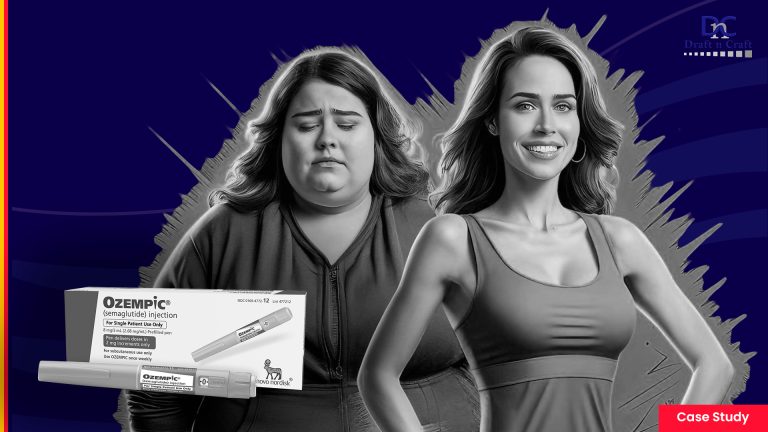
What began as a breakthrough diabetes drug is now at the center of over 10,000 lawsuits making Ozempic one of the most litigated pharmaceuticals in U.S. history.
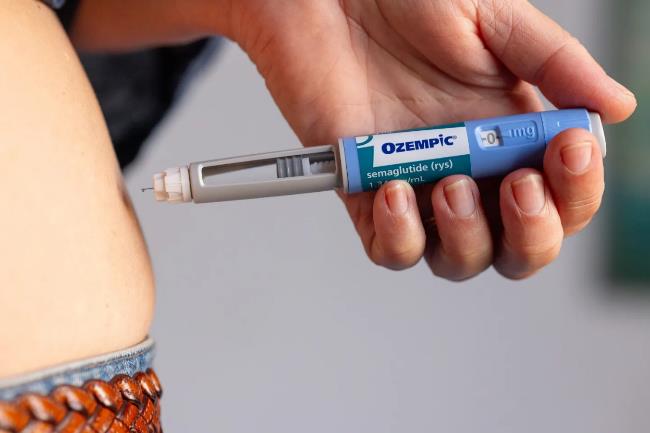
Ozempic is a prescription drug developed by Novo Nordisk (a global pharmaceutical company based in Denmark). It contains semaglutide, a type of medication known as a GLP-1 receptor agonist.
The U.S. Food and Drug Administration (FDA) approved it in 2017 for type 2 diabetes, to help control blood sugar levels.
Soon after, doctors noticed something else: the drug also reduced appetite and slowed down how quickly the stomach empties. This led many people, including celebrities, to start using it off-label for weight loss. For example, one celebrity joked on The Today Show that taking Ozempic “cuts my appetite in half,” helping normalize use and spark conversation.
Aggressive Marketing & the Ozempic Storm

Novo Nordisk’s marketing for Ozempic has been anything but quiet, a full-scale media blitz spanning TV ads, doctor outreach, and celebrity-fueled buzz. High-profile figures, whether through intentional endorsements or casual public mentions, have helped cement Ozempic as a cultural trend, boosting curiosity and driving off-label use well beyond its original diabetes focus.
Critics say the campaign blurred the line between medical promotion and lifestyle hype, with weight-loss benefits often spotlighted more than potential dangers. This “benefits-first” approach is now central to failure-to-warn claims in ongoing lawsuits, suggesting that both patients and some physicians may have been swayed by the promise without fully grasping the risks.
As Ozempic’s popularity soared, so too did reports of severe gastrointestinal side effects the very injuries now driving a wave of litigation.
The Health Concerns
By 2023, patients and doctors began reporting:
- Gastroparesis (stomach paralysis)
- Gallbladder disease (sometimes requiring surgery)
- Severe nausea, vomiting, and diarrhea
- Intestinal blockages
- A rare eye condition: NAION (a type of optic nerve damage)
In response, the FDA updated the drug’s warning labels to list risks like gallbladder disease, abdominal pain, constipation, diarrhea, nausea, and vomiting.
While the FDA hasn’t issued its strongest “black box” warning for Ozempic, it encouraged doctors and patients to report problems through its MedWatch system.
How Promotion Pushed Public Adoption: Novo Nordisk’s Financial Influence
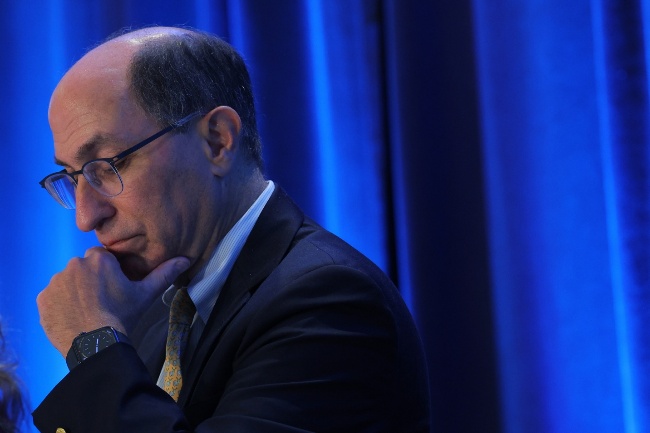
(Dr. Lee Kaplan, a leading U.S. obesity specialist, teaching doctors in Cambridge, Massachusetts this year. Kaplan has accepted $1.4 million from Danish drugmaker Novo Nordisk and urges doctors to treat obesity like other chronic diseases, with lifelong prescriptions for medication.)
A Reuters investigation revealed that Novo Nordisk spent at least $25.8 million over a decade in fees and expenses to U.S. medical professionals connected to obesity treatment especially a core group of influential obesity specialists who teach, conduct research, and advise peers.
One prominent obesity expert accepted about $1.4 million for consulting and travel between 2013 and 2022, while another received over $1 million tied specifically to Novo’s weight-loss drugs. Critics argue such financial incentives can influence medical opinion, prescribing practices, and insurance decisions—one expert called it “morally and ethically way over the line.”
The First Lawsuits
The first case filed August 2, 2023 alleged that Ozempic caused gastroparesis and that Novo Nordisk failed to warn patients of the risk.
Over the next few months, more people came forward with similar complaints. Many said they were hospitalized, needed gallbladder surgery, or suffered long-term stomach problems after using Ozempic or its higher-dose counterpart, Wegovy.

From Individual Lawsuits to a Massive MDL
Because so many lawsuits raised similar facts and legal issues, the U.S. Judicial Panel on Multidistrict Litigation decided in February 2024 to group them into one big legal proceeding called MDL No. 3094 in the Eastern District of Pennsylvania.
The MDL includes cases not just about Ozempic and Wegovy, but also other GLP-1 drugs like Rybelsus (Novo Nordisk) and Mounjaro (Eli Lilly).
Plaintiffs Claiming…
Most lawsuits in MDL 3094 accuse the drugmakers of:
- Failure to Warn – not properly warning about stomach paralysis risk.
(Example: Hotchkiss v. Eli Lilly, 2023)
- Misrepresentation of Safety – marketing the drug for its benefits while downplaying severe side effects.
(Example: Shirley v. Novo Nordisk, 2023)
- Defective Design or Manufacturing – saying the drug’s formulation, especially at higher doses, was unsafe.
(Example: Marrero v. Novo Nordisk, 2023)
Key Legal & Medical Developments
- August 2024: Judge Marston, overseeing the MDL, ruled that plaintiffs must show objective medical proof of gastroparesis not just symptoms to proceed with claims. This was controversial among plaintiff lawyers.
- Case Numbers Skyrocketing: From just 58 lawsuits in March 2024 to over 10,000 cases by mid-2025.
- Scientific Evidence: Plaintiffs are pointing to studies like a 2025 Nature Medicine report showing strong links between GLP-1 drugs and gastrointestinal problems, plus JAMA Ophthalmology research on the increased risk of NAION which is an eye condition where there’s sudden loss of vision.
Current Status
This MDL is being watched closely because:
- It could set new legal standards for proving drug-related injuries in mass torts.
- It raises public health questions about how off-label use is monitored.
- It may push the FDA to issue stricter warnings.
The MDL is still in early discovery. Lawyers are exchanging expert reports, and the court holds monthly status conferences in Philadelphia.
Whether this ends in jury trials or a global settlement will depend on how the science and early rulings play out.
| Year | Key Event |
| 2017 | FDA approves Ozempic (semaglutide) for type 2 diabetes. |
| 2021 | Wegovy (higher-dose semaglutide) gets standalone FDA approval for weight loss. |
| 2023 | COVID off-label popularity spikes; first lawsuit filed in August alleging gastroparesis and inadequate warning. |
| Feb 2024 | U.S. Judicial Panel consolidates cases into MDL No. 3094 (Eastern District of PA). |
| Mar–Aug 2024 | Lawsuits accelerate from dozens to over 1,000+ cases. |
| Aug 2024 | Judge Marston sets requirement for objective medical proof (not just symptoms) in gastroparesis claims. |
| Jan 2025 | FDA expands Ozempic label to include kidney disease risk reduction, broadening its medical use. |
| Mar 2025 | MDL case count reaches 1,521. |
| June–Aug 2025 | MDL swells further—1,882 by June, over 2,190 by August—with focus on gastrointestinal and optic nerve injuries. |
Ozempic’s journey from a diabetes drug to a weight-loss sensation has now become one of the largest ongoing pharmaceutical lawsuits in the U.S.. The outcome could shape future drug marketing, FDA warning requirements, and patient safety protections for years to come.